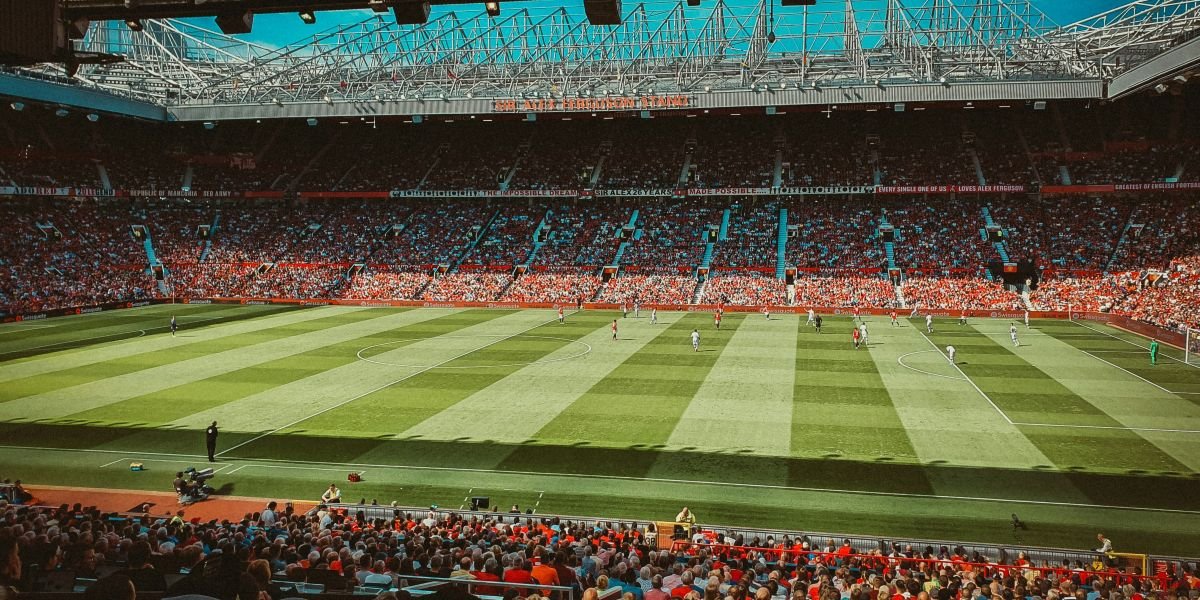
New York City just made a decision that separates it from every other World Cup host city in the country: the games belong to everyone.
For the first time since 1994, the FIFA World Cup is coming to the United States — and this summer, New York City intends to make sure nobody gets priced out of the moment.
Mayor Zohran Mamdani announced on April 28 that FIFA fan events will be free across all five boroughs for the duration of the 2026 tournament. The announcement, confirmed through the mayor’s official social media and the NYC Mayor’s Office, reverses a plan put in place by the previous Adams administration that would have charged for entry to official fan zones. “The World Cup is coming to our backyard, and we’re making sure every New Yorker can be a part of it,” Mamdani wrote in a post to X. “This summer, FIFA fan events will be free in all five boroughs.”
The decision immediately set New York apart from its fellow American host cities. Los Angeles and Toronto have both confirmed they intend to charge admission for their official fan events, citing the cost of logistics and security infrastructure. New York is going in the other direction — and doing it at the scale of a city that understands, perhaps more than any other in the world, that its character is built in public space.
What the Fan Zones Will Look Like
Each of the five boroughs will have its own dedicated official fan zone, each designed to reflect the culture and geography of the community hosting it. Brooklyn’s zone will anchor at Brooklyn Bridge Park, with live match viewings, daily programming, local business pop-ups, and interactive experiences spread across one of the most photographed urban parks in the world. The Emily Roebling Plaza, which offers a direct view of the Manhattan skyline, has been identified as the centerpiece of the Brooklyn installation.
“I hope there will be more spots designated for Brooklynites to have an unforgettable World Cup experience,” said Council Member Lincoln Restler, who represents DUMBO and Brooklyn Heights. “It’s a great spot for epic matches and the best view in New York City.”
Details on the Bronx, Queens, Manhattan, and Staten Island fan zones are expected to follow as the tournament approaches, but the commitment is locked: no borough gets left out, and no New Yorker pays for entry.
Albany Gets Into the Game
Governor Kathy Hochul moved in parallel with the city, using the World Cup as an opportunity to expand the state’s hospitality infrastructure for what is expected to be one of the largest tourist surges in New York’s recent history. The state has created a World Cup One-Day Permit through the New York State Liquor Authority, allowing event organizers statewide to host off-site activities during the tournament. Bars and restaurants will also be permitted to use contiguous outdoor space to host events — a significant expansion from the current four-day maximum — and bar hours across New York State will be extended to 4 a.m. statewide for the duration of the event.
The economic rationale is not subtle. State officials are projecting more than 1.1 million visitors to the New York-New Jersey region over the course of the tournament, generating approximately $3.3 billion in economic activity. For a city navigating a $5.4 billion structural budget deficit, the World Cup represents one of the clearest near-term revenue opportunities on the calendar — and the decision to make fan events free is, in that context, a deliberate investment in ensuring that visitor spending circulates through every neighborhood, not just those that can afford a ticket to the official zones.
The Council’s Tribute to the Game’s Icons
The FIFA moment is prompting civic gestures that go beyond logistics. The NYC Council introduced a legislative package in mid-April that would, among other measures, designate Thierry Henry Way in Manhattan near Rockefeller Center — where hundreds of thousands of fans are expected to gather for free match viewings — and Pelé Way in Queens, honoring two global soccer icons whose careers intersected directly with New York.
Henry, the French legend who won the World Cup in 1998 and the European Championship in 2000, played for the New York Red Bulls from 2010 to 2014 and became one of the most visible ambassadors for soccer’s growth in American culture during that period. Pelé’s connection to New York runs through the New York Cosmos and the North American Soccer League era of the 1970s, when his decision to play in the city helped spark a generation of American soccer fans.
“It’s fitting that we’re connecting this global moment to our local communities and businesses,” said Council Member Virginia Maloney, who chairs the Economic Development Committee. “We’re ensuring that New Yorkers are a part of this once-in-a-lifetime experience whether in our stadiums or on our streets.”
The legislative package also includes a cultural passport program to encourage visitors to explore all five boroughs, a plan to expand public bathroom access ahead of the tourist surge, and a multilingual education effort warning visitors about common tourist scams — a package designed less around spectacle than around the practical reality of welcoming more than a million people to a city that is already running at capacity.
MetLife Stadium and the Weight of the Final
The anchor for all of this is MetLife Stadium in East Rutherford, New Jersey, just across the Hudson from Manhattan. The stadium will host eight World Cup games in total, including the final — making the New York metropolitan area the host of the most consequential match in international soccer.
That distinction has never been held by an American city. The 1994 World Cup final was played at the Rose Bowl in Pasadena. The 2026 final at MetLife, on a stage that will be watched by billions of people across the world, represents a different kind of visibility for the region — one that every city from Los Angeles to Boston to Dallas will see, but that only New York will feel in real time, on the streets, in the parks, and in the free fan zones that will keep the city activated from the opening whistle to the last.
Guillermo Martinez, a Brooklyn resident originally from Spain, captured the sentiment when the announcement was made. “As a person coming from Spain and living in Brooklyn, being able to see the Spanish national team live, for free, with all the people that I love — in such a cool, free public environment — is amazing,” he said. “Going to see a game is extremely expensive and so out of reach.”
That tension — between the global scale of the World Cup and the lived reality of what it costs to participate in it — is exactly what the Mamdani administration is navigating with this announcement. The games are coming to New York regardless. The question was always who the city would invite to watch.
The answer, now official, is everyone.