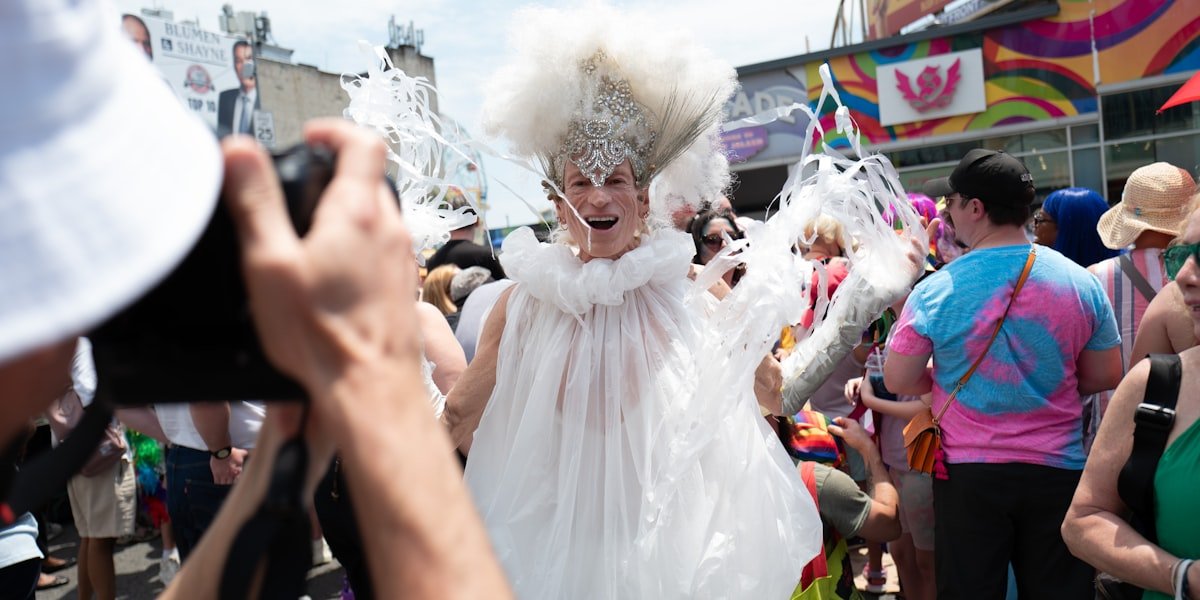
Juneteenth celebrations, the Mermaid Parade, and early Fourth of July fireworks anchor a crowded calendar of family programming across New York City in June 2026. Major outdoor festivals including the Swedish Midsummer Festival on June 20 and the Egg Rolls, Egg Creams, and Empanadas Festival fill weekends across all five boroughs, while schools out for summer send attendance at museum programs and athletic events soaring.
The calendar reflects a broader pattern: June has become the city’s most concentrated month for family-oriented outdoor events, with organizers racing to claim prime dates before July beach weekends scatter audiences. This year’s schedule packs at least one major event into every weekend, testing families’ stamina and forcing hard choices between competing draws.
What Festivals and Parades Are Happening in June?
The Mermaid Parade returns to Coney Island, drawing thousands of participants in elaborate sea-creature costumes. The procession has anchored the neighborhood’s summer kickoff for decades. Spectators line Surf Avenue to watch floats, marching bands, and costumed walkers parade from west to east.
Rockefeller Park hosts the Swedish Midsummer Festival on Saturday, June 20, featuring flower crown making and traditional dancing. The Battery Park City Authority stages the annual event, which marks the summer solstice with maypole ceremonies and Scandinavian music.

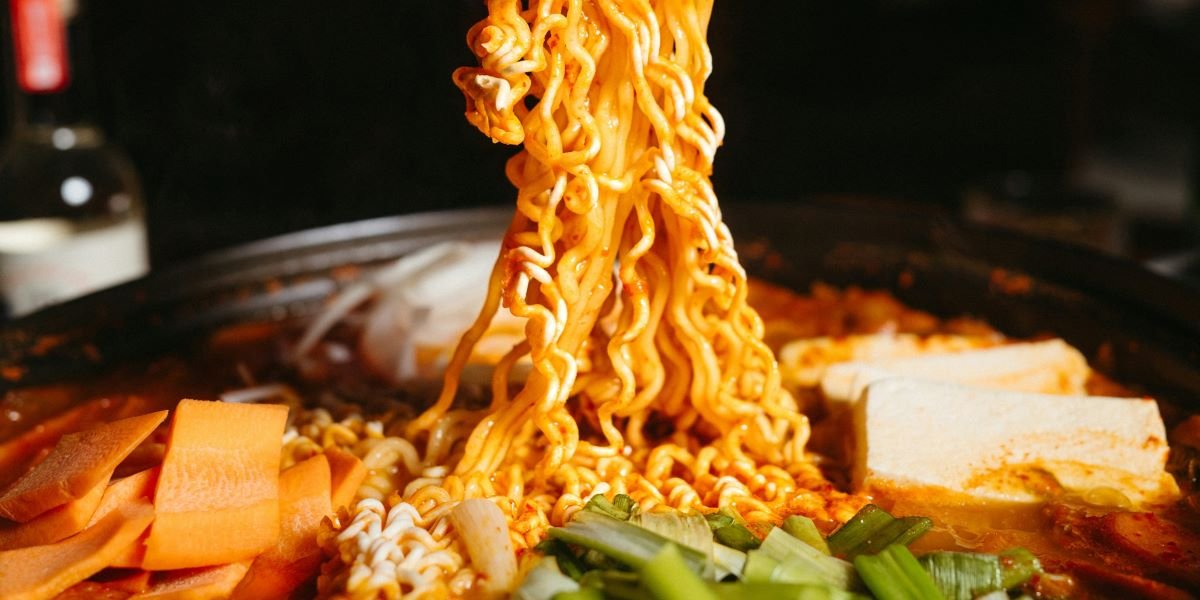
The Egg Rolls, Egg Creams, and Empanadas Festival blends the culinary traditions of multiple immigrant communities in a single event. Museum Mile opens its institutions free to the public for one evening, closing Fifth Avenue to traffic between 82nd and 105th Streets while the Metropolitan Museum of Art, the Guggenheim, and neighboring institutions extend hours and offer performances on their front steps.
Brighton Beach stages its Parade of Trains, a procession that celebrates the neighborhood’s subway connection and seaside heritage. Queens County Farm Museum in Floral Park holds its Strawberry Festival, offering berry picking, shortcake, and farm tours on 47 acres of preserved agricultural land dating to 1697.

What Sports and Music Events Are Drawing Kids?
FIFA World Cup programming includes a tailgate party in Wagner Park for the USA vs. Paraguay match, capitalizing on the tournament’s return to North America. Make Music New York fills sidewalks, parks, and plazas with free performances on June 21, the longest day of the year, inviting anyone to join or stage impromptu concerts.
The Flushing Meadow Soapbox Derby combines engineering, gravity, and parade spectacle as teams race hand-built vehicles down slopes in the park. Math Day offers hands-on problem solving and games, while That Math Show at a Manhattan theater applies comedy to numeracy. Both aim to reframe the subject during summer break when skills often atrophy.
Early Fourth of July fireworks displays dot the calendar’s final weekend, as waterfront communities in Brooklyn and Queens launch pyrotechnics ahead of the national holiday to avoid crowding the July 4 schedule. These advance shows have grown in popularity, offering families a chance to see fireworks without battling Manhattan-bound crowds a week later.
How Do June Events Reflect Seasonal Shifts in Family Programming?
June marks the hinge between school-year routines and summer’s unstructured weeks. Organizers front-load major events into the month, aware that July beach trips and August vacations fragment the audience. The result is a calendar denser than any other month, with programming that targets school-age children suddenly free on weekdays and parents hunting for structured outings to fill the void left by classroom schedules.
Outdoor festivals proliferate because weather has stabilized but heat remains moderate, unlike the high-80s days common in July and August. Parks departments, cultural institutions, and neighborhood business improvement districts coordinate to spread events across weekends, though overlaps remain inevitable. The competition for attention forces organizers to sharpen their themes, hence the proliferation of niche festivals celebrating specific foods, heritage traditions, or summer solstice rituals.
Juneteenth and Pride programming have both expanded in recent years, adding events that now compete for the same weekend slots as longstanding traditions like the Mermaid Parade. Father’s Day falls mid-month, driving attendance at sports events and outdoor activities marketed as alternatives to restaurant brunches.
What Patterns Are Shaping This Year’s Offerings?
Museum programming has shifted toward extended evening hours and street festivals rather than daytime gallery tours, recognizing that families resist indoor time during long June days. The Museum Mile event exemplifies this shift, transforming Fifth Avenue into an outdoor festival zone rather than simply waiving admission fees.
Food festivals now anchor weekend programming more than craft fairs or generic street fairs. Events like Egg Rolls, Egg Creams, and Empanadas lean into the city’s diversity as a draw rather than offering generic vendor rows. The specificity helps events stand out in a crowded calendar and gives families a concrete reason to choose one festival over another.
Athletic and STEM-themed events have grown as organizers recognize that summer learning loss worries parents who want enrichment disguised as fun. Math Day and the Soapbox Derby both frame education as play, while FIFA watch parties add community and spectacle to what might otherwise be a living-room screen.
The clustering of events into June also reflects logistical realities: permit cycles, sponsor budgets that reset in fiscal Q3, and the desire to capture media attention before summer news doldrums set in. Organizers know that a June festival competes with dozens of others but still commands press coverage, while an August event risks getting lost entirely.
Families navigating the month face trade-offs. Prime weekend dates offer three or four appealing options that cannot all be attended. The abundance creates choice fatigue but also ensures that nearly every neighborhood hosts at least one signature event, reducing the need to trek across boroughs for a single destination.