Photography has moved way beyond simple snapshots and selfies, evolving into an art form with endless possibilities. With this creative surge comes a question that many budding photographers wrestle with: is it worth getting a formal photography degree? Let’s break down why taking that academic route could be more valuable than you think.
Sharpening Your Skills Beyond the Basics
Sure, anyone can pick up a camera and take a decent photo with enough practice, but what separates casual photographers from the pros is their technical knowledge and artistic intuition. A degree can guide you through advanced techniques, like understanding the nuances of lighting, framing, and composition. Beyond those basics, formal studies introduce you to ideas that inspire new approaches and push you outside your comfort zone.
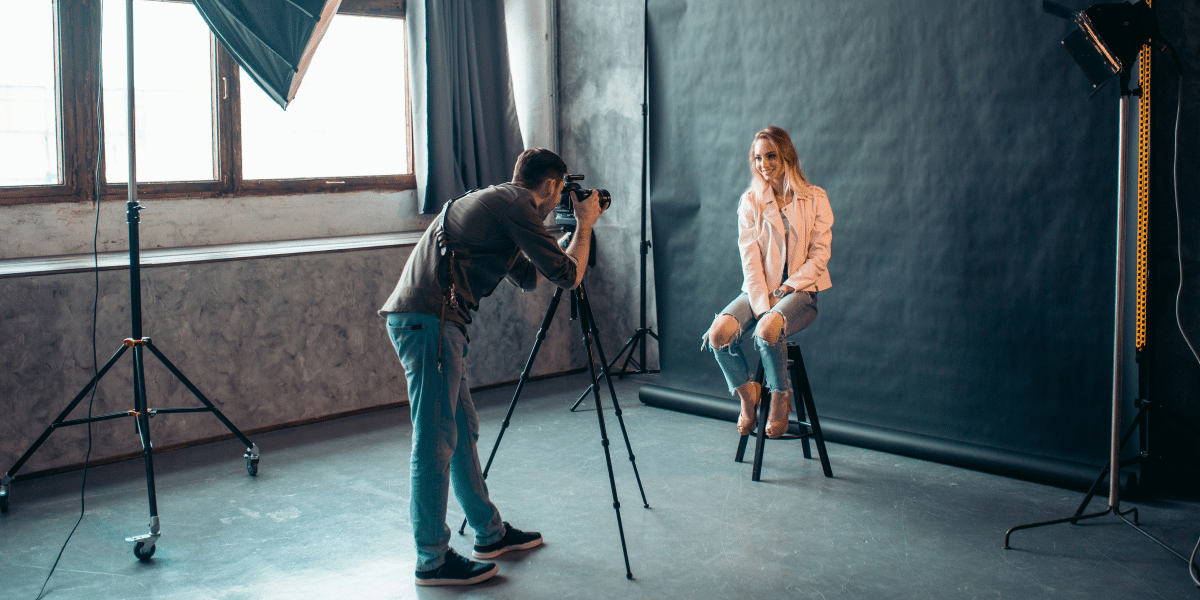
In a structured program, you’ll not only learn about these concepts but also practice them repeatedly until they become second nature. Classes often cover the theory behind these techniques and allow you to test them in hands-on sessions. Through assignments and constructive feedback, you’ll start noticing improvements in your work—and that’s something no camera alone can teach.
Building Connections
Photography isn’t just about what you know; it’s about who you meet along the way. Pursuing a degree allows you to connect with peers, professors, and industry professionals, opening doors to opportunities you might not have access to otherwise. These relationships can help you build a strong portfolio, refine your style, and even land gigs that might seem out of reach on your own.
The world of education has evolved. Traditional degree programs aren’t the only route anymore; getting an online photography degree is easier than you might think. Many programs are designed to offer flexibility and accessibility, letting you master high-level concepts without uprooting your life. This freedom allows for networking even in online classrooms, where you can collaborate with classmates from all over the world, offering fresh perspectives and feedback.
Learning to See Like an Artist
Photography is all about perspective—knowing how to capture moments that others might overlook. A structured degree program challenges you to look at the world differently, training your eye to see details, contrasts, and narratives within everyday scenes. This approach goes beyond snapping random shots; you’ll learn how to create a story or evoke a mood in each frame.
Artistic insight also often involves studying other art forms. Programs frequently introduce photography students to painting, sculpture, and film, pushing them to see connections and draw inspiration from all kinds of media. This training encourages you to develop a unique voice that sets your work apart in a crowded field.
Mastering Digital Skills for a Changing Landscape
These days, digital skills are a must. Even if you’re a fan of traditional film, understanding digital photography is vital to staying relevant. Photography degree programs often dive deep into software like Photoshop, Lightroom, and other editing tools, teaching you to retouch, manipulate, and enhance images to a professional standard. Learning these tools inside and out gives you a competitive edge, especially in an industry where clients expect perfection.
Beyond editing, a photography degree can also touch on graphic design principles, which are increasingly interconnected with photography. Many modern images are more than standalone shots; they’re part of brand campaigns, magazine layouts, or social media feeds. Knowing the basics of visual design lets you see photography from a holistic point of view, where each photo fits into a larger picture. In this way, you’re not just learning photography but also the future of graphic design as the two fields continue to merge and evolve.
Real-World Prep
A degree program is often more than just coursework—it’s your entry into the professional world. Many universities offer internships or real-world projects as part of their photography curriculum, giving you a taste of what it’s like to work with actual clients or creative teams. These experiences are invaluable, not only for honing your skills but also for building a portfolio that makes you stand out to future employers or clients.
Portfolios are the lifeblood of a photography career. They showcase your finest work and tell your story as an artist. Through your degree, you’ll likely have a series of guided assignments that, once completed, give you a diverse portfolio showcasing everything from portraits to landscape, editorial, and commercial work. This variety is a game-changer when approaching clients or jobs.
Making the Decision Count
If you’re passionate about photography, there’s a lot to gain from making it official with a degree. Sure, plenty of self-taught photographers make it big, but formal training opens up opportunities and learning experiences that can set you apart. It’s about more than mastering the technical side; a degree teaches you to think critically, explore creative boundaries, and connect with the right people in the industry.
Photography school isn’t for everyone, but if you’re ready to invest in your craft and expand your network, it might just be the perfect way to turn a love for photography into a fulfilling career. So, are you ready to go pro?
Published by: Khy Talara