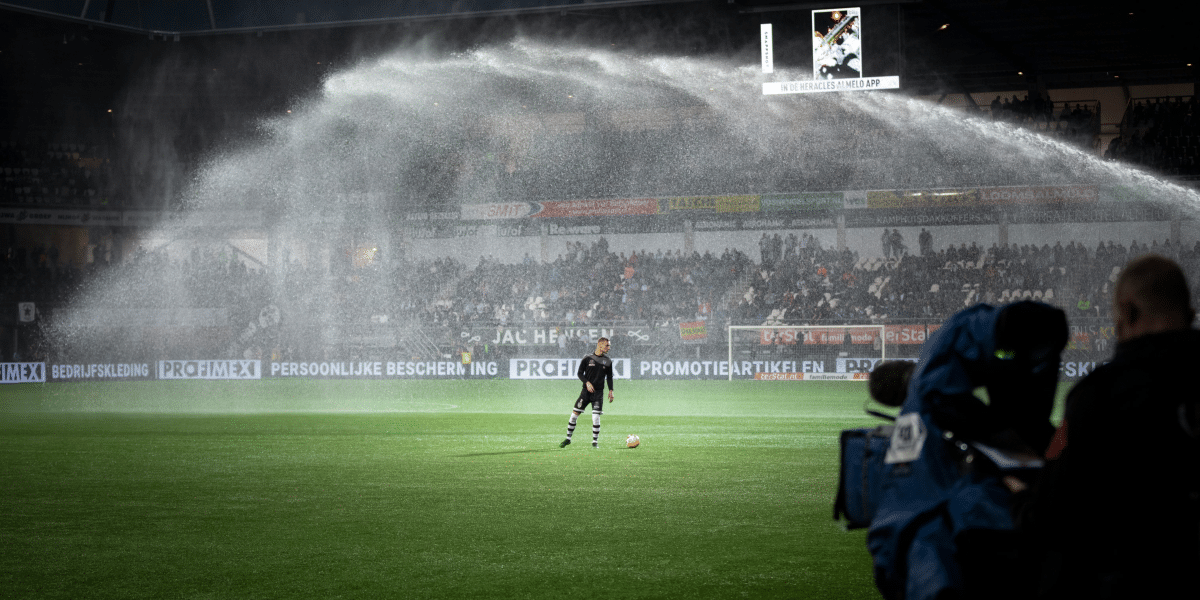
Imagine waking up in a different country, ready to take on your favorite solo sport in a whole new environment. The thrill of competing internationally not only ramps up your excitement but also shapes your skills and resilience in unique ways. Traveling for solo sports pushes you to new heights, forcing you to adapt and grow both physically and mentally.
Traveling abroad for solo sports isn’t just about the competition. It’s a chance for incredible personal growth, learning discipline, and boosting your health. Mixing training with new cultures and landscapes can give you a fresh perspective on your sport and life.
From training regimes tailored to various climates to learning how different places celebrate the same sport, you’ll build connections and gather experiences that last a lifetime. Your solo journey becomes a story of exploration, discipline, and unparalleled personal achievement.
Preparing for International Competition
Getting ready to compete internationally in solo sports requires knowing the landscape, establishing a consistent routine, and focusing on nutrition and fitness to achieve peak performance.
Understanding the Landscape of Solo Sports
The first step involves familiarizing yourself with the international scene. Investigate the rules and regulations specific to your sport, whether it’s running, swimming, or cycling. Also, learn about the major competitions and venues.
Check the climate and geographical features where you’ll compete, as they can significantly impact sports like tennis and golf. Understanding your competitors and their strengths helps you plan your strategies better.
Building a Routine for Success
Establishing a solid routine is crucial for achieving success. Focus on a full-body workout regimen tailored to your sport. For instance, if you’re into endurance sports like running, include strength and flexibility exercises.
A sample week could look like this:
- Monday: Cardio
- Tuesday: Strength training
- Wednesday: Flexibility exercises
- Thursday: Specific drills for your sport
- Friday: Rest day
Incorporate mental training as well to build focus and resilience.
Nutrition and Fitness for Peak Performance
Your diet and fitness plan should align with your performance goals. Prioritize cardiovascular health with a balanced intake of proteins, carbs, and fats. Eat nutrient-rich foods to support your physical fitness and endurance.
For example, a swimmer’s diet might include high-protein meals for muscle recovery. Hydration is equally important, especially in sports like running and cycling. Supplements can be considered but, consult a health professional first.
Maintaining a healthy relationship with food is key to achieving peak performance and ensuring your safety and health during competitions.
Making a Mark Internationally
Venturing into international solo sports can be a thrilling and rewarding endeavor. In this section, you’ll learn how to craft a compelling personal brand, build valuable global connections, and manage the logistics and legalities of competing abroad.
Crafting Your Personal Brand
Creating a strong personal brand starts with clarity about what you stand for. Define your personal goals and focus on your unique strengths in your sport. Use social media platforms to showcase your achievements and discipline. Share your journey, your training routines, and insights into solo travel to inspire others.
Engage with your audience regularly. Answer questions, provide tips, and keep them updated with your progress. Consistency and authenticity are key. This not only helps in building a loyal following but also attracts sponsors and brands that align with your values.
Networking and Building International Connections
Networking is essential in making a mark internationally. Start by connecting with fellow athletes, coaches, and enthusiasts through both online forums and in-person events. Attend international competitions, workshops, and meet-ups to build a network of support and collaboration. Don’t forget to keep your passport photos and information updated before making international trips. You can get your passport photos done from Costco. We know, we thought this too: does Costco do passport photos? And yep, they do. So you can get your photos during your next grocery run.
Leverage platforms like LinkedIn to connect with industry professionals and join groups related to your sport. These relationships can provide opportunities for training, mentorship, and competing abroad. Stay proactive and always be open to learning from others.
Competing Abroad: Logistics and Legalities
Planning to compete abroad involves meticulous preparation. Begin with researching the entry requirements for competitions in your target countries. This includes understanding visa regulations, health and safety protocols, and any specific rules related to solo sports.
Make travel arrangements well in advance. Consider factors like accommodation, transportation, and equipment needs. Keep in mind the financial implications and budget accordingly. It’s vital to carry relevant documents, including insurance, certifications, and proof of registration for the event.
Staying informed about the legalities ensures a hassle-free experience, allowing you to concentrate on your performance and enjoy the mental health benefits of flying solo.
Evolving with the Sport
Staying current with innovations and advancements is crucial as solo sports like climbing and mountain biking grow in popularity. You’ll find that the gear, technology, and techniques continue to evolve, improving your performance and experience.
Innovations and Advancements in Solo Sports
Modern gear makes a significant difference in solo sports. For climbing, lightweight ropes and durable harnesses enhance safety and mobility. In mountain biking, advances like tubeless tires and full-suspension frames have revolutionized the sport.
Technology has also played a big role. Apps that track your progress and portable chargers for your devices ensure you stay connected and informed. Mental health benefits, including improved mental focus and stamina, are increasingly recognized and supported by the use of mindfulness and mental training techniques.
Staying updated on these innovations not only helps you keep pace with the sport but also enhances your overall experience. Adaptation and continuous learning keep you ahead and make your solo adventures more enjoyable and fulfilling.
Published by: Nelly Chavez