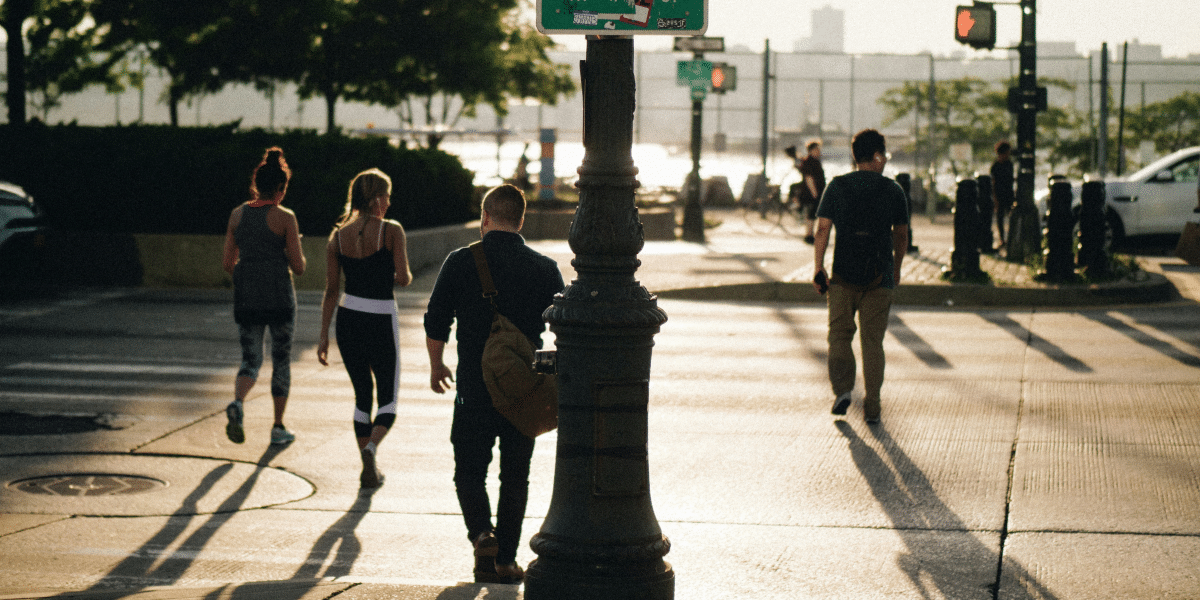
Lacing up our walking shoes is simple, but it unlocks a world of benefits. We get exercise, save on gas, and help keep the air clean. Yet, city streets can transform into unexpected obstacle courses. From distracted drivers to uneven pavements, hazards lurk around every corner.
If you’re ever injured in a pedestrian accident, remember that skilled pedestrian accident lawyers can help you navigate the legal complexities and fight for the compensation you deserve.
Traffic-Related Hazards
Sharing the Road with Distracted Drivers
Our walk can quickly turn stressful when we encounter drivers who aren’t paying full attention. Glancing at phones, fiddling with the radio, or even eating behind the wheel can all divert a driver’s focus from the road ahead. In these situations, pedestrians become invisible obstacles, and the risk of an accident skyrockets.
Crosswalks: Not Always a Guarantee of Safety
Even marked crosswalks don’t guarantee safe passage. Drivers may disregard stop signs and signals or fail to yield the right of way. This is why it’s crucial to make eye contact with drivers before stepping into the crosswalk and to be prepared to stop if necessary.
Jaywalking, on the other hand, significantly disadvantages pedestrians, making them much harder for drivers to see. It’s always best to use designated crossings whenever possible.
When Visibility Takes a Dip
Low-light conditions like rain, fog, or nightfall create a dangerous situation for pedestrians. Drivers’ ability to see us is severely hampered. To make ourselves more visible, wearing reflective clothing becomes essential. A simple reflective vest or even reflective bands on our clothing can significantly improve our chances of being seen by drivers in low-light situations.
Environmental Hazards
Watch Your Step
City sidewalks aren’t always smooth sailing. Uneven pavement, potholes, and cracks can pose a serious tripping hazard.
- Keep your eyes peeled for obstacles and mind your footing, especially after dark.
- Wet leaves, snow, and ice can turn even the most level surface into a skating rink. Be extra cautious during these times and wear shoes with good tread.
Lighting the Way
Walking on poorly lit streets can be risky. Not only are you more difficult for drivers to see, but you’re also more likely to miss potential hazards yourself. Whenever possible, stick to well-lit paths, especially at night. If you must walk on a dark street, consider wearing a flashlight or a headlamp to improve your visibility.
Construction Zones: Proceed with Caution
Construction zones can be a labyrinth of uneven surfaces, heavy machinery, and limited visibility. When navigating these areas on foot, stay alert, follow designated pedestrian walkways if available, and make eye contact with workers to ensure they see you.
Other Pedestrian Safety Concerns
While traffic and uneven terrain are major concerns, pedestrian safety goes beyond these. In some areas, theft or harassment can be a worry. To mitigate this, staying alert and aware of your surroundings is important, especially at night. Walking with a friend or letting someone know your route beforehand can also be helpful deterrents.
Tips for Safe Walking
Equipping yourself with a few key strategies can significantly enhance your walking experience.
- Always prioritize designated crosswalks and make eye contact with drivers before entering the street.
- Avoid distractions like headphones or phones while walking, and stay alert.
Remember, a predictable path is safe, so avoid weaving in and out of traffic. Following these simple tips, you can transform your walk from a stressful chore to a healthy and enjoyable way to get around.
Published By: Aize Perez