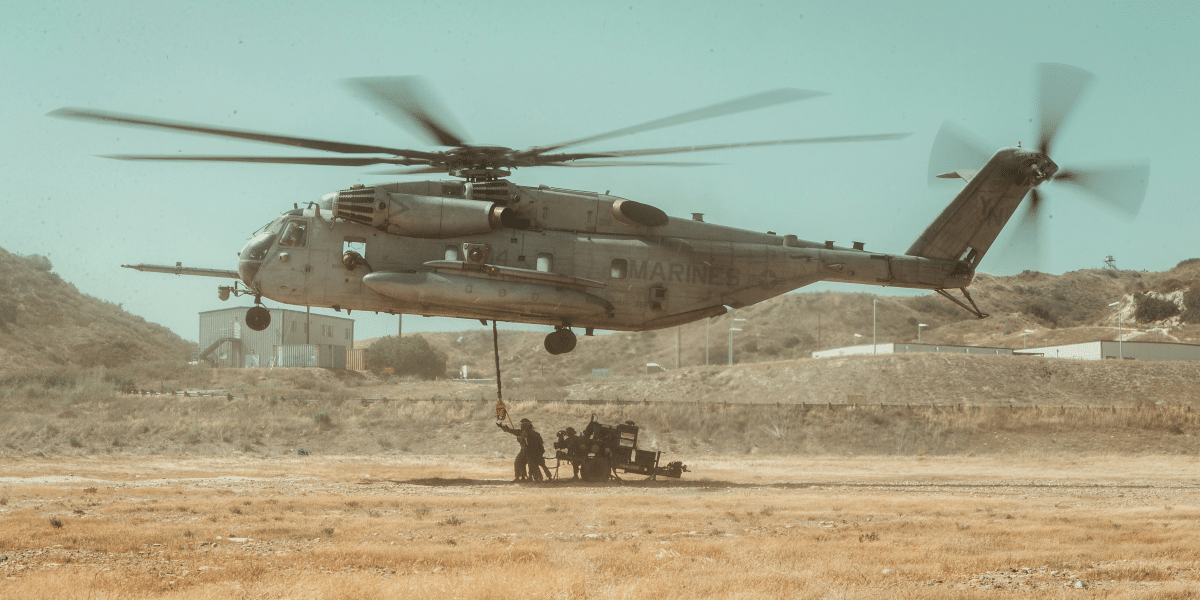
The Marine Forces Reserve (MARFORRES) plays a crucial role in bolstering the strength and readiness of the United States Marine Corps. Comprising dedicated reservists who balance civilian careers with military commitments, MARFORRES assures that the Marine Corps remains flexible and prepared for various missions.
This article dives into the history, formation, and significance of MARFORRES to bring awareness to the integral part these “weekend warriors” play in national defense. From their origins to modern-day responsibilities, the story of MARFORRES is one of dedication and resilience, with traditional symbols like the iconic Marine, Army, or Navy hat representing the Armed Forces’ proud history.
When Was the Marine Forces Reserve Founded?
The Marine Forces Reserve was established to provide a reliable pool of trained personnel who could support and augment active-duty Marines.
The origins of MARFORRES can be traced back to the early 20th century when the need for a reserve component became apparent. Officially founded in 1916, the Marine Forces Reserve was created to ensure that the Marine Corps had a ready reserve of skilled individuals who could be called upon in times of national emergency or conflict.
Throughout its history, MARFORRES has evolved to meet the changing needs of the military. Key milestones include its significant expansion during World War II, where reservists played critical roles in major campaigns. The post-war period saw further developments as the Marine Forces Reserve adapted to peacetime requirements and the Cold War era’s distinct challenges.
Role and Responsibilities
The Marine Forces Reserve (MARFORRES) is a crucial support system for the active-duty Marine Corps so that it can remain adaptable and prepared for various missions. One of the primary roles of MARFORRES is to provide additional service members during times of war, national emergencies, or significant military operations. By doing so, reservists help bolster the active-duty forces’ capabilities and allow for a more robust and versatile response to various situations.
In addition to augmenting active-duty personnel, MARFORRES plays a vital role in homeland defense. Reservists are often called upon to assist with disaster response and humanitarian missions. Their presence ensures that the Marine Corps can respond swiftly and effectively to natural disasters, terrorist attacks, and other emergencies that may arise on American soil.
MARFORRES also contributes to the Marine Corps’ overall mission readiness by participating in joint exercises and international engagements. These activities help to maintain strong relationships with allied nations and ensure that Marine reservists are well-prepared to operate in diverse environments. By engaging in these collaborative efforts, MARFORRES helps to enhance the Marine Corps’ global reach and operational effectiveness.
Reservists also play a key role in community outreach and public relations efforts. By participating in events such as parades, educational programs, and veterans’ ceremonies, MARFORRES helps to foster a positive image of the Marine Corps and build strong connections with the civilian population.
How Are MARFORRES Members Trained?
Maintaining a high level of training and readiness is essential for the Marine Forces Reserve (MARFORRES) to support the active-duty Marine Corps effectively.
Reservists undergo rigorous training programs to give them the skills and knowledge necessary to perform their duties proficiently. This training begins with Marine Corps Recruit Training, followed by specialized training in their respective Military Occupational Specialties (MOS).
Once assigned to a reserve unit, Marine reservists participate in regular weekend drills, commonly known as “drill weekends.” These monthly training sessions typically involve various activities, including physical fitness tests, weapons qualification, tactical exercises, and classroom instruction. Drill weekends are essential for maintaining the reservists’ combat readiness and ensuring they remain proficient in their MOS skills.
In addition to monthly drills, reservists attend an annual training exercise, usually lasting two to three weeks. These extended training periods provide an opportunity for more intensive and comprehensive training, often conducted at larger military installations or in conjunction with active-duty units. During annual training, reservists engage in various activities, like field exercises, live-fire drills, and joint operations with other military branches. This immersive training environment helps to simulate real-world scenarios and enhance the reservists’ preparedness for deployment.
Reservists are encouraged to pursue professional military education (PME) courses to advance their careers and develop leadership skills. These courses, which can be completed online or in person, cover various topics, including leadership principles, operational planning, and military history.
What Is Life Like as a Marine Reservist?
Life as a Marine Reservist involves balancing civilian careers and personal lives with military responsibilities. Reservists commit to monthly drill weekends and annual training exercises to maintain their readiness and skills. Despite the challenges, the camaraderie, sense of duty, and opportunities for personal and professional growth make the experience rewarding and fulfilling.
The Backbone of National Defense
The Marine Forces Reserve is essential to the strength and adaptability of the U.S. Marine Corps. Their dedication, training, and readiness ensure that the Marine Corps can respond to any mission at any time.
Published by: Khy Talara