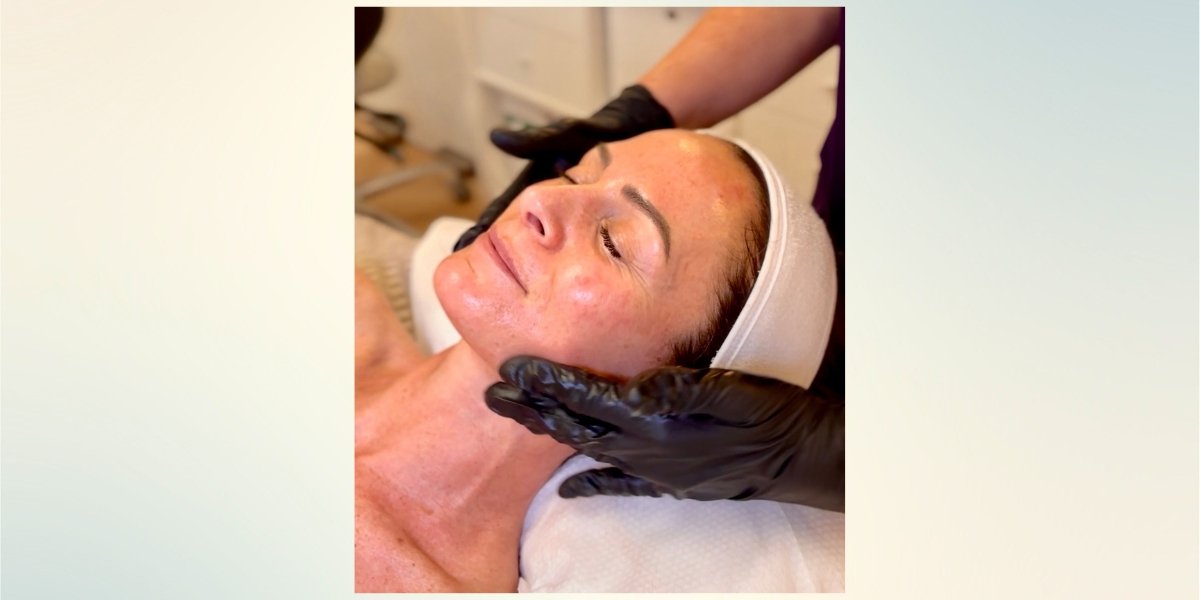
Baby Botox isn’t a brand, it’s a technique. It involves micro-dosing small amounts of botulinum toxin into targeted facial muscles and smooth muscle to soften lines while preserving natural movement.
The aim isn’t to freeze the face, but to refine it. Results are lighter, more mobile and often almost undetectable, the result is more “well-rested” than “treated.”
Who Is It For?
Baby Botox works best for:
- First-time patients who want a subtle introduction
- Early expression lines (forehead, frown, crow’s feet) that appear with movement
- Younger patients seeking a light-touch, maintenance approach
- Professionals who rely on facial expression like actors, speakers, therapists
- Brows that feel heavy with standard dosing, where micro-dosing maintains lift
- Men wanting refinement without obvious signs of treatment
When It’s Not the Right Choice
Baby Botox has limitations.
It may not be suitable for:
- Deep lines that are visible at rest
- Strong muscle activity, particularly in the frown area
- Patients expecting longer-lasting results from a single treatment
In these cases, a more tailored plan (sometimes combining toxin with skin treatments) will give a better, more balanced outcome.
Where It Works Best
Baby Botox is particularly effective in areas where subtlety matters:
- Forehead – smoothing without a “frozen” or heavy look
- Frown lines – softening intensity while maintaining expression
- Crow’s feet – reducing crinkling while keeping a natural smile
- Brow area – refining lift rather than flattening
- Chin or bunny lines – small adjustments that elevate overall polish
How It Feels and How Long It Lasts
Treatment is quick, typically around 30 minutes.
- Onset: 3–5 days
- Full effect: around 2 weeks
- Duration: usually 8–12 weeks
Because the doses are lighter, results don’t last as long as traditional approaches, but they also wear off more naturally.
Baby Botox vs Other Approaches
It’s often confused with other techniques, but they are not the same:
- Baby Botox – lower doses to soften movement
- Preventative Botox – treating earlier to slow the formation of lines
- Micro-/Meso-Botox – superficial injections into the skin to improve texture and pores
Each has a different purpose and should be chosen carefully.
A More Considered Approach
For those looking beyond short-term smoothing, there is a growing shift towards treatments that improve the skin itself, not just muscle movement.
For longer-term skin quality and structural support, regenerative skin treatments can offer a more refined and lasting approach.
What Results Can You Expect?
The outcome is subtle:
- Softer lines when you move
- Less tension in key areas
- A fresher, more rested appearance
You still look like yourself, just more refined.
Safety and Considerations
Side effects are usually minimal. Small bruises can occur, though they are uncommon. Occasionally, there may be a slight asymmetry or heaviness, which can be adjusted after two weeks if needed.
Suitability always depends on individual medical history and anatomy. Treatment is not appropriate during pregnancy or breastfeeding, for those under 18, or in certain medical conditions.
The Bottom Line
Baby Botox is ideal if you want subtle refinement without sacrificing expression. It works best as an early or light-touch treatment.
If lines are more established, a more comprehensive, personalized plan will give better and longer-lasting results.
The key is not the product, it’s the approach. Treatment should always be tailored to the individual, not applied as a template.
Samantha is an aesthetic prescribing nurse and founder of Montclaire Aesthetics, a CQC-accredited clinic in London. She specializes in regenerative skin treatments and subtle, natural-looking results guided by detailed facial assessment and anatomy.