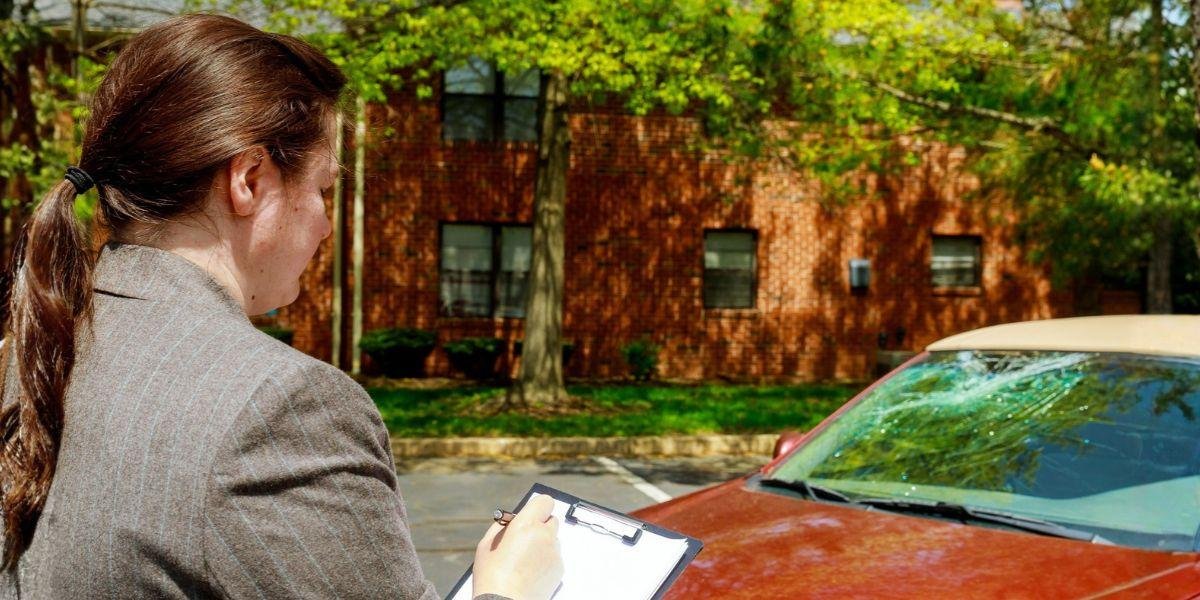
A pedestrian crash can happen in seconds, leaving little time to call for help. When no officer responds, injured victims are left without an official record of what occurred. The process of obtaining a police accident report is still available after the fact in most cases. Those steps are more accessible than many victims realize, even when time has passed. Attorneys who focus on pedestrian cases know how to navigate missing documentation and build a strong case. In Los Angeles, Salamati Law Personal Injury Lawyer focuses exclusively on cases like these, and that kind of experience is hard to replace.
File a Report as Soon as Possible
If no officer responds, filing a report yourself quickly is the highest priority. In California, any crash involving injury must be reported to the DMV within 10 days using an SR-1 form. This creates an official record even without a police report on file. You may also visit your local police or sheriff station to file a late report in person. Many agencies accept these requests when the victim could not report at the time. Filing promptly matters because delays invite questions about the validity of the claim.
Document the Scene on Your Own
Without a police report, your own documentation becomes the primary record of what occurred. Take photographs of the location, skid marks, vehicle damage, traffic signals, and visible injuries as soon as you are able. Footage from nearby businesses or traffic cameras may provide objective evidence of the crash. Reach out to witnesses and collect their names and contact details while memories are still fresh. Ask whether each person is willing to provide a written statement about what they observed. Every piece of independent documentation strengthens your ability to show what happened and who was at fault.
Seek Medical Attention Right Away
Seeing a doctor promptly protects your health and helps create a medical record that links your injuries to the accident. Emergency room notes, imaging results, and physician assessments serve as evidence even when no police report exists. Follow your prescribed treatment plan and keep records of every appointment, prescription, and referral. Gaps in medical care are frequently cited by insurers to argue that injuries are less serious than claimed. Consistent documentation builds a timeline that can substitute for information a police report would otherwise provide. Starting this record early gives attorneys the clearest picture of the harm you suffered.
Notify Your Insurance Company
Promptly reporting the accident to your own carrier is a step that should not be skipped. Provide the basic facts without speculating about fault or downplaying the severity of your injuries. Many policies require timely notice as a condition of coverage, and late reporting can complicate a claim. Let your insurer know that no police report was filed and explain why. Your attorney can help you frame the situation in a way that protects your interests. Early insurer involvement creates a paper trail that may support your case if matters move toward litigation.
Work with an Attorney to Fill the Gaps
The absence of a police report does not end a claim, but it requires more effort to build a strong case. An attorney can request traffic camera footage, gather witness declarations, and file records requests on your behalf. Legal counsel can examine the at-fault driver’s history for patterns supporting your account of the crash. Acting quickly is critical because footage is routinely deleted and witnesses become harder to locate. Cases without a report depend on how much independent evidence is preserved early. The sooner an injured person starts pulling that evidence together, the stronger their case will be.
A missing police report is a setback, not a barrier to fair compensation. Getting medical care, documenting everything, reporting the crash, and calling an attorney early all work together to build a strong case. Insurance companies are less likely to challenge a case supported by thorough, well-organized evidence. An attorney who focuses on pedestrian accident claims knows exactly what evidence matters and how to track it down. Waiting too long makes that job much harder, and some evidence disappears for good. Acting early gives victims the best possible chance at a full and fair recovery.
Disclaimer: The content in this article is provided for general knowledge. It does not constitute legal advice, and readers should seek advice from qualified legal professionals regarding particular cases or situations.